Asian Art Museum Case Study
Ambition
The Asian Art Museum of San Francisco is one of the largest and most respected museums in the Western world devoted exclusively to Asian art – but for years it has remained one of San Francisco’s best kept secrets. Despite being positioned as a geographic and cultural authority on Asian art and culture in the US, the museum still struggled to capture awareness and fully connect with visitors beyond their niche audience. In 2009, however, they appointed a new director with a ground-breaking vision and revitalized ambition to become the world's most dynamic Asian art and cultural museum.
Action
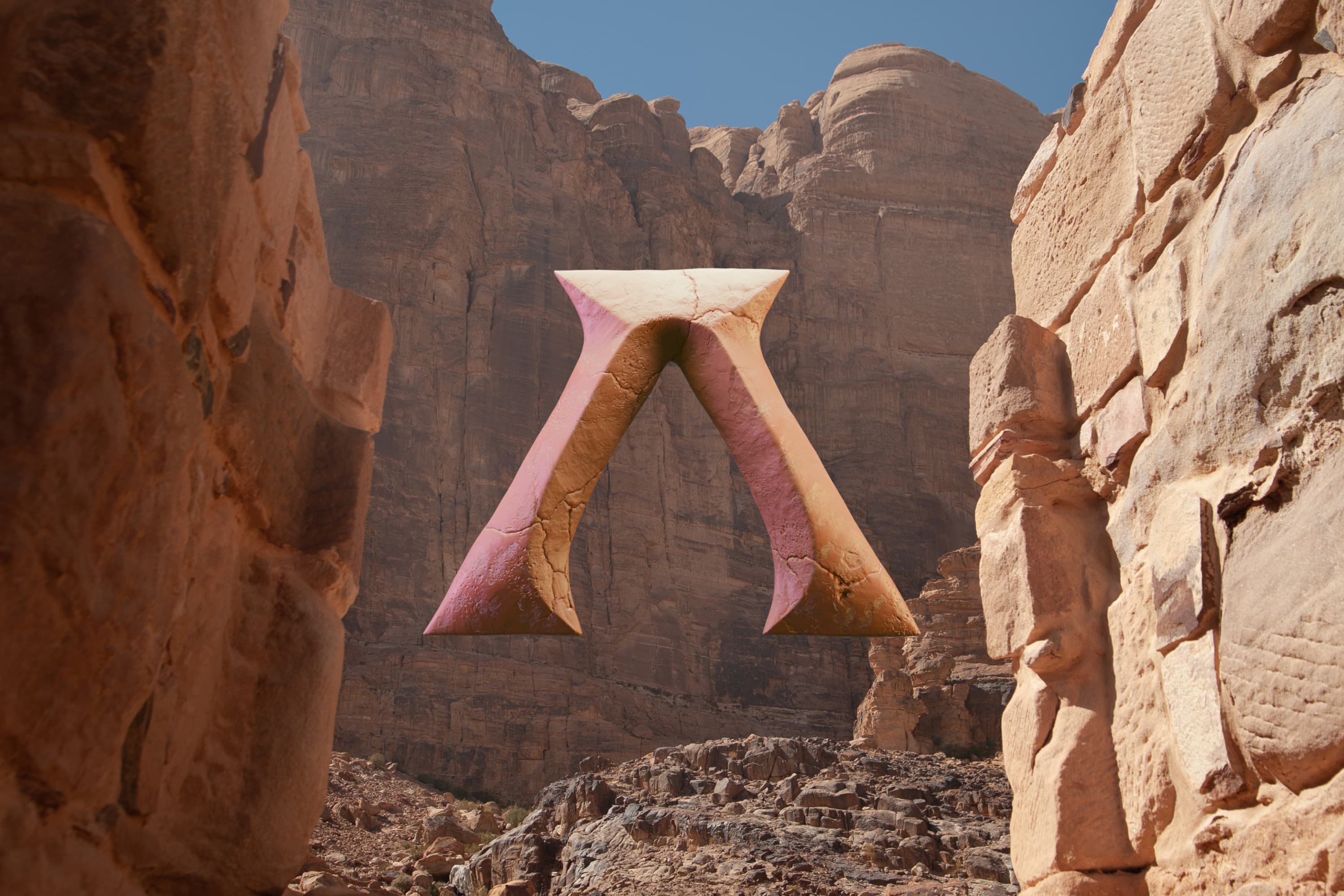
In early 2010, Wolff Olins partnered with the Asian Art Museum to create a new brand strategy and identity. Together, we helped translate their vision into an actionable tool, focus decision-making and drive meaningful change. Through extensive interviews and research, we uncovered what visitors needed and how the museum was best placed to deliver. We challenged staff and board members to fundamentally shift their perspective – from thinking of the museum as a home for ancient objects in lucite boxes to a thought-provoking experience that awakens audiences to the beauty and depth of Asian art and culture. By drawing connections between Asia and the West, past and present, local cultures and global communities, the museum "inspires the next" – encouraging dialogue and debate and paving the way for new art, new thinking and new ideas. Using the brand strategy as a foundation, we created a bold and provocative new brand identity for the museum. The new logo, an upside down "A," signifies their commitment to offer a fresh and creative perspective on a collection spanning 6,000 years. As the mathematical symbol "for all," the logo also tells the world that the museum has something to say and something to show.
Impact
While the Asian Art Museum has spent the last year implementing their brand strategy internally, they will officially debut the brand identity with the launch of a new exhibition, Maharaja, in October 2011. Already, the strategy has helped to reinvigorate staff and board members with a renewed sense of purpose. It has also helped them begin to transform their visitor experience and rethink the content and design of their exhibitions, programs and communications.